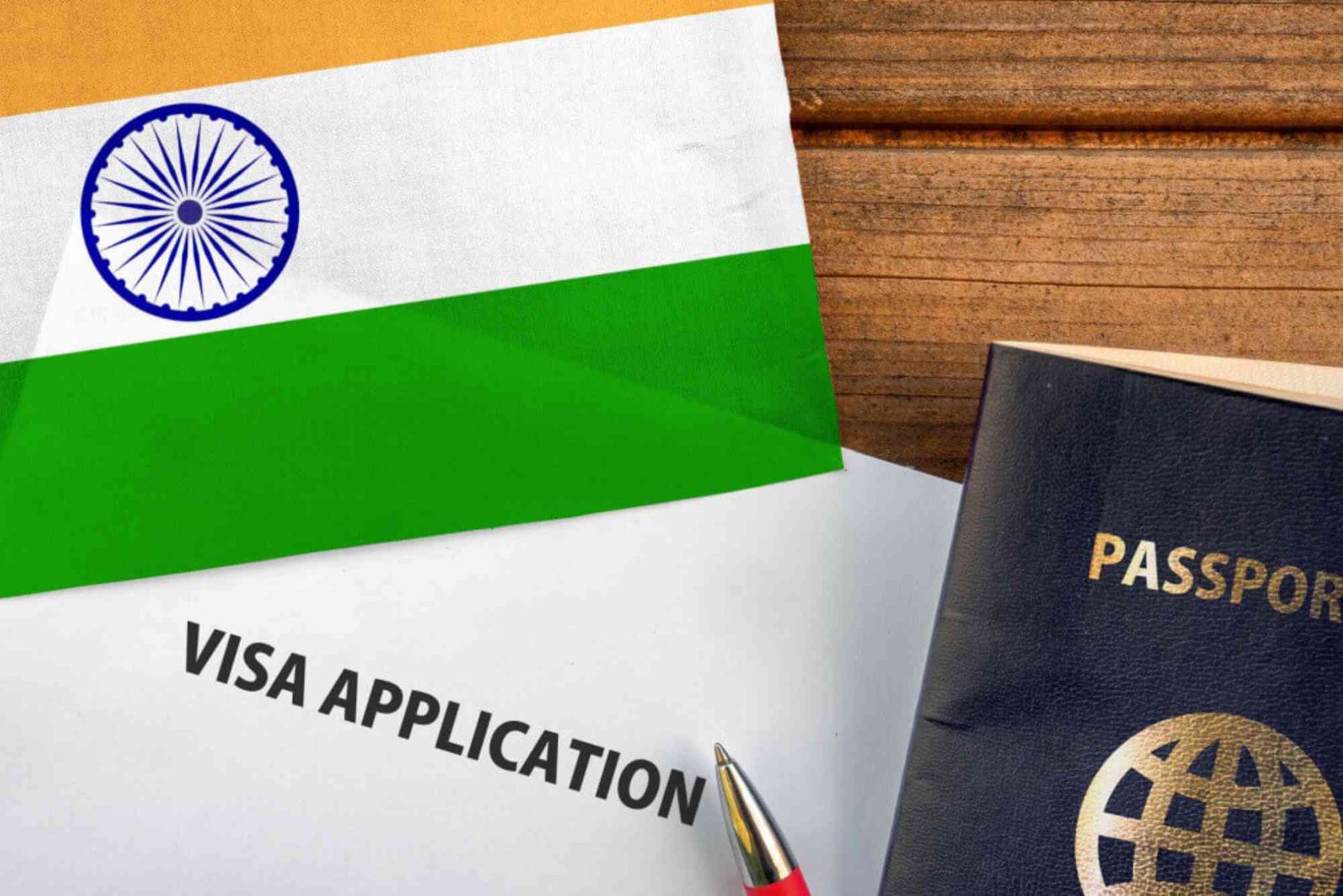
Introduction
Planning a trip to India starts with understanding the Price for Indian Visa in 2026. Whether you are traveling for tourism, business, medical treatment, education, or family visits, knowing the total visa cost helps you prepare your budget without surprises. Visa fees vary depending on your nationality, visa category, duration, and whether you apply for an e-Visa or a regular sticker visa.
Many travelers assume the visa fee is the only expense. However, the total amount often includes service charges, processing fees, biometric charges in some countries, and optional services such as faster processing. Understanding every cost involved ensures a smoother application process.
Understanding the Price for Indian Visa in 2026
The Price for Indian Visa in 2026 depends on several important factors. The Indian government determines visa fees according to visa categories, duration of stay, reciprocal agreements with different countries, and administrative processing costs.
Travelers applying from different countries may notice variations in fees even for the same visa type. This happens because India follows reciprocal visa arrangements with many nations. Therefore, applicants should always confirm the applicable fee for their nationality before submitting an application. The visa fee generally includes the government application charge. Depending on where you apply, you may also pay an additional service fee charged by the visa application center.
Factors That Affect the Price for Indian Visa in 2026
Several factors influence the total amount you will pay for an Indian visa.
The first factor is the visa category. Tourist visas are usually more affordable than business or employment visas because they involve less documentation and shorter processing times.

The second factor is the visa validity. A visa valid for five years normally costs more than one valid for thirty days.
Another important factor is the number of entries. Multiple-entry visas often carry higher fees than single-entry visas because they provide greater travel flexibility. Nationality also plays an important role. Since India has different bilateral agreements with various countries, applicants from different nations may pay different visa fees.
Finally, additional processing services can increase the overall cost if you choose faster application processing.
Estimated Price for Indian Visa in 2026
The following table provides estimated visa fees for common visa categories. Actual prices may vary depending on nationality and the official visa center handling your application.
| Visa Type | Estimated Fee (USD) | Validity |
|---|---|---|
| Tourist Visa | $25–$100 | 30 Days to 5 Years |
| Business Visa | $80–$160 | Up to 5 Years |
| Medical Visa | $40–$100 | Up to 1 Year |
| Student Visa | $75–$120 | Course Duration |
| Employment Visa | $100–$220 | Up to 5 Years |
| Conference Visa | $50–$100 | Event Duration |
These figures represent estimated government fees. Additional service charges may apply depending on the application center.
Application Process for an Indian Visa
Applying for an Indian visa has become much easier in recent years. Most travelers begin by completing the online application form with their personal details, passport information, travel plans, and supporting documentation. Applicants must upload passport photographs and scanned copies of required documents. Once the application is complete, the visa fee is paid through the available payment methods.
After payment, applicants may need to schedule an appointment for biometric verification if required in their country. Some e-Visa applicants do not need to visit a visa center. Once the application is reviewed, successful applicants receive either an electronic visa approval or a visa sticker placed inside their passport.
Additional Charges Beyond the Visa Fee
The Price for Indian Visa in 2026 is not always limited to the government application fee. Many travelers overlook additional expenses that become part of the final cost.
Service providers may charge processing fees for handling documents and appointments. Biometric enrollment may carry separate charges depending on your location.
Some applicants choose premium services for document verification, courier delivery, SMS updates, or faster processing. These optional services increase the final amount but offer greater convenience.
Travel insurance, passport renewal, passport photographs, and document translation may also add to your travel budget before receiving your visa.
Processing Time and Its Effect on Visa Costs
Standard processing usually takes several working days depending on the visa category and nationality.
Expedited processing is available in many countries for travelers with urgent travel plans. While this option reduces waiting time, it generally comes with higher service fees.
Applicants should submit their visa application well before their intended travel date. Early applications help avoid expensive urgent processing charges.
Common Reasons for Visa Fee Variations
Many travelers wonder why friends from another country paid a different amount for the same visa.
One reason is reciprocal agreements between governments. Another reason involves currency exchange rates, which may affect payments made in local currencies.
Service providers in different countries may also apply varying administrative fees. Changes in government regulations can also influence visa pricing from time to time.
Documents Required Before Paying the Visa Fee
Before paying the Price for Indian Visa in 2026, applicants should prepare all required documents to avoid delays or rejection.
A valid passport remains the most important requirement.
Recent passport-size photographs must meet official specifications.
Applicants should provide travel details, accommodation information, and return travel plans where applicable.
Business travelers require invitation letters.
Students need admission confirmation. Medical applicants often submit hospital appointment letters. Having complete documentation before payment reduces the risk of processing delays. In addition, travelers researching regional visa costs may also find useful information through the article titled Bangladesh Visa Price for Indian in 2026, available at .
Tips to Save Money on Indian Visa Costs
Understanding the Price for Indian Visa in 2026 allows travelers to avoid unnecessary expenses.
Applying early reduces the chance of paying urgent processing fees.
Choosing the correct visa category prevents costly reapplications.
Preparing accurate documents minimizes rejection risks.
Checking passport validity before applying avoids additional passport renewal expenses. Reading official instructions carefully also prevents avoidable application errors. Travelers comparing regional visa expenses may also benefit from reading Oman Visa for Pakistan Price in 2026, which discusses application costs for another popular destination. The article can be found at .
Can Visa Fees Be Refunded?
Many applicants ask whether visa fees are refundable after submission.
In most situations, Indian visa fees are non-refundable once processing begins.
Even if an application is rejected or withdrawn, applicants usually do not receive reimbursement because the fee covers administrative processing. Therefore, applicants should verify every detail before completing payment.
Why Understanding Total Visa Costs Matters
Budget planning becomes much easier when travelers understand every component of the Price for Indian Visa in 2026.
Unexpected service fees can affect travel budgets if they are not considered in advance. Knowing the complete fee structure allows travelers to prepare sufficient funds and avoid last-minute surprises.
This also helps applicants compare standard and expedited processing options according to their travel schedule. If you frequently compare international visa expenses, you may also enjoy reading Saudi Umrah Visa Price in Pakistan in 2026, which explains current Umrah visa costs and application details. The article is available at .
Conclusion
The Price for Indian Visa in 2026 depends on several factors, including visa type, nationality, validity period, processing method, and additional service charges. Although the government visa fee forms the largest portion of the total cost, applicants should also budget for processing fees, biometric services, photographs, and other supporting expenses.
Preparing documents carefully and applying early can help reduce unnecessary costs while ensuring a smooth application process. Whether you plan to visit India for tourism, business, education, or medical treatment, understanding the complete fee structure will help you travel with confidence.
FAQs
What is the Price for Indian Visa in 2026?
The Price for Indian Visa in 2026 varies depending on the visa category, nationality, and validity period. Tourist visas generally cost less than business or employment visas.
Can I apply for an Indian e-Visa in 2026?
Yes. Many nationalities can apply online for an Indian e-Visa, making the application process faster and more convenient.
How long does Indian visa processing take?
Standard processing usually takes several working days, although processing times vary depending on nationality and visa category.
Are Indian visa fees refundable?
No. In most cases, visa fees are non-refundable after the application has been submitted for processing.
Do I pay additional charges besides the visa fee?
Yes. Applicants may pay service charges, biometric fees, courier fees, and optional premium processing charges depending on their application method.
Can visa fees change during 2026?
Yes. Government policies, reciprocal agreements, and exchange rate adjustments may change visa fees during the year. Always verify the latest fee before submitting your application.
Related Reading: Price for Indian Visa in 2026: What You Need to Pay
Related Reading: Indian Visa Application Price in 2026: What You Need to Pay
Related Reading: Barbados Visa Price in 2026: What You Need to Pay